Published
Why Personal Transportation Vehicles Are the Future of Local Mobility
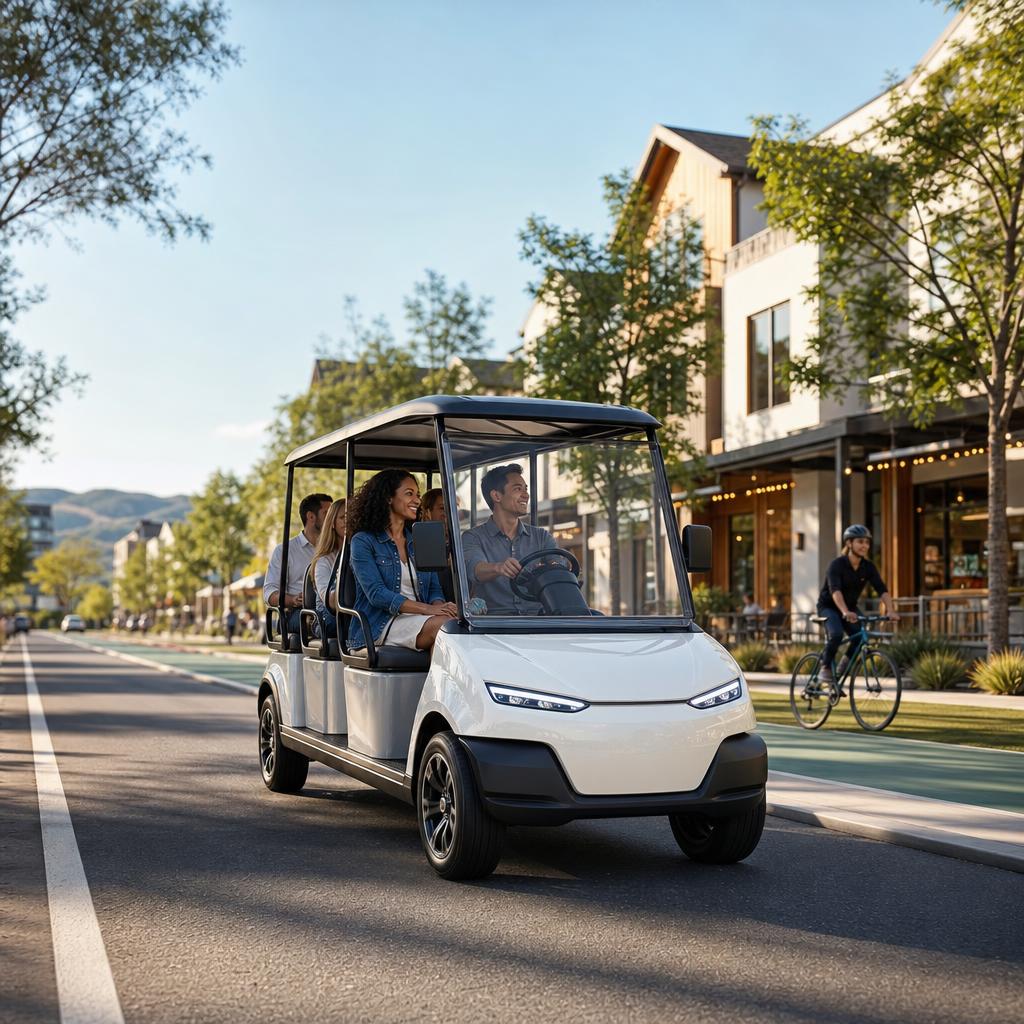
The future of local mobility is unlikely to be one vehicle for every trip. PTVs can fill a useful middle distance between walking, cycling, transit, and full-size cars: short, repeatable journeys where modest speed, compact dimensions, and convenient parking matter.
A role for short, specific trips
Communities, campuses, resorts, facilities, and households may use PTVs for amenity trips, maintenance, guest movement, errands, and property circulation. Their value comes from matching the vehicle to the route and task, not from claiming they can replace a passenger car everywhere.
Electric operation needs good planning
Electric PTVs can charge while parked, but charging access, battery capacity, temperature, terrain, load, speed, and age shape real use. Local mobility plans should include circuits, parking, maintenance, battery replacement, reserve range, and accessible boarding rather than treating electricity as an automatic solution.
Design streets and policies around people
- Connect approved low-speed routes to destinations without forcing unsafe or unclear crossings.
- Provide visible parking and charging that do not block sidewalks or access paths.
- Set clear rules for vehicle classes, speed, passengers, cargo, weather, and shared use.
- Include older adults and mobility-device users in vehicle and route decisions.
- Measure actual trips, conflicts, maintenance, charging, and community feedback over time.
Legal clarity will remain essential
PTV is a market term, while federal LSV classification has defined manufacturing requirements. State and local authorities still control many questions about public roads, registration, licensing, equipment, and insurance. Future-ready planning means publishing current rules and updating them as policies change—not promising universal street access.
A useful complement, not a universal answer
PTVs make the most sense where trips are local, routes are suitable, charging is dependable, and service is available. They are not designed for every road, weather condition, distance, load, or crash environment. A thoughtful mobility network gives people choices and uses each vehicle where it performs honestly.