Published ; updated
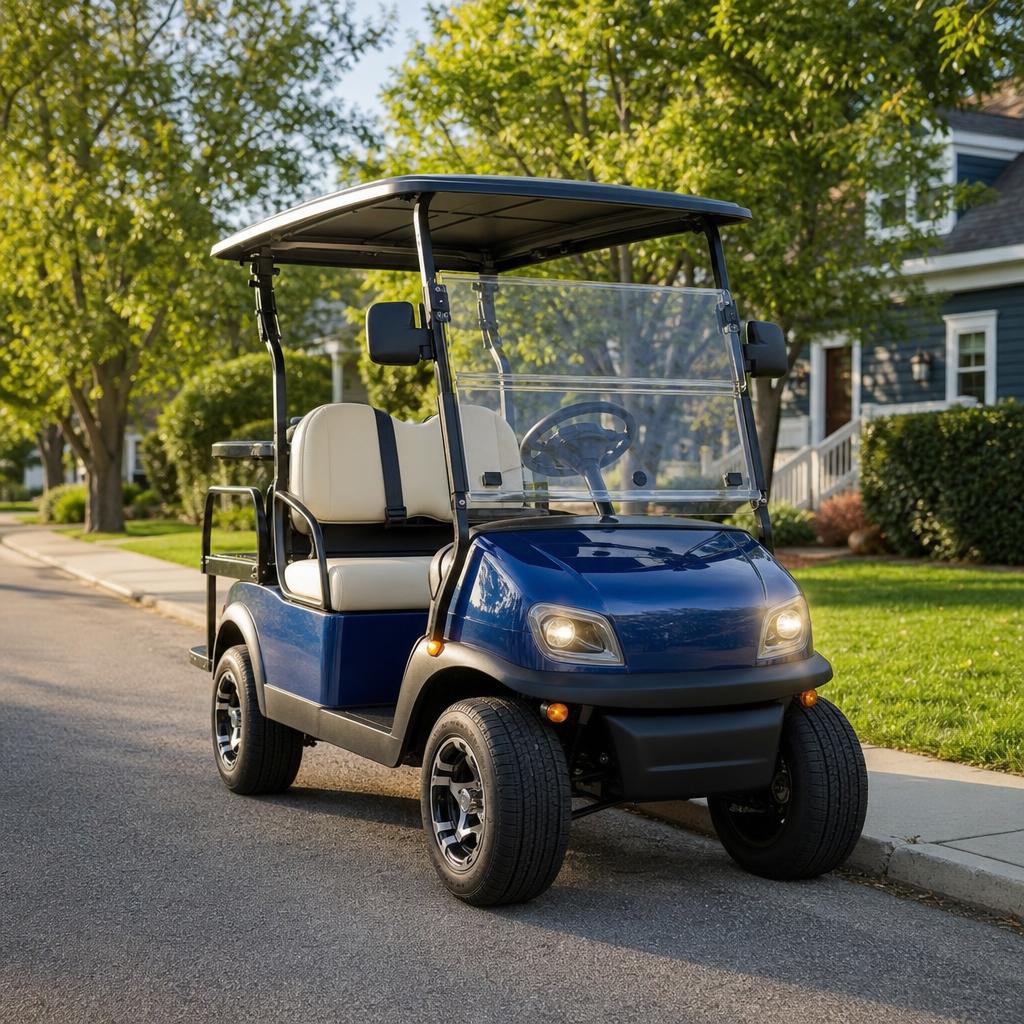
Are Personal Transportation Vehicles Street Legal?
Sometimes, but there is no universal yes or no. PTV is commonly a marketing or use term. Road permission depends on the vehicle’s actual classification, construction, equipment, registration, driver requirements, insurance, and the particular state, county, city, road, crossing, or private community.
Understand the federal LSV distinction
Federal rules define a low-speed vehicle as a four-wheeled motor vehicle with a maximum speed above 20 mph and not more than 25 mph, with required equipment under Federal Motor Vehicle Safety Standard No. 500. A seller calling a golf cart a street-legal PTV does not prove it is an LSV or another approved class. Request the certification label and vehicle documents.
Then check the route’s authorities
Federal manufacturing compliance is not blanket permission to use every public road. Ask the state motor-vehicle agency about title, registration, plates, licensing, equipment, and insurance. Ask the city or county about speed limits, road access, crossings, and local ordinances. A private association, campus, resort, or property owner may impose additional rules.
Do not treat modifications as a legal shortcut
Lights, mirrors, seat belts, turn signals, or a windshield may improve visibility or satisfy an equipment rule, but adding parts does not automatically change a vehicle’s certification or permit a route. Lifts, tire changes, speed changes, and seating conversions can also affect handling, payload, warranty, and compliance.
A responsible pre-purchase checklist
- Write down every road, crossing, and property on the intended route.
- Obtain the exact model, VIN, certification information, rated speed, and equipment list.
- Confirm current state and local rules directly with the relevant authorities.
- Ask an insurer about required and available coverage for the actual use.
- Get the dealer’s road-use claims and included equipment in writing.
- Recheck rules before changing the vehicle or route.
When a PTV is not the right vehicle
If the route requires higher speeds, substantial crash protection, long-distance travel, or roads that prohibit the vehicle class, choose a different transportation option. A legal alternate route is preferable to relying on an assumption about a familiar golf cart shape.