Published
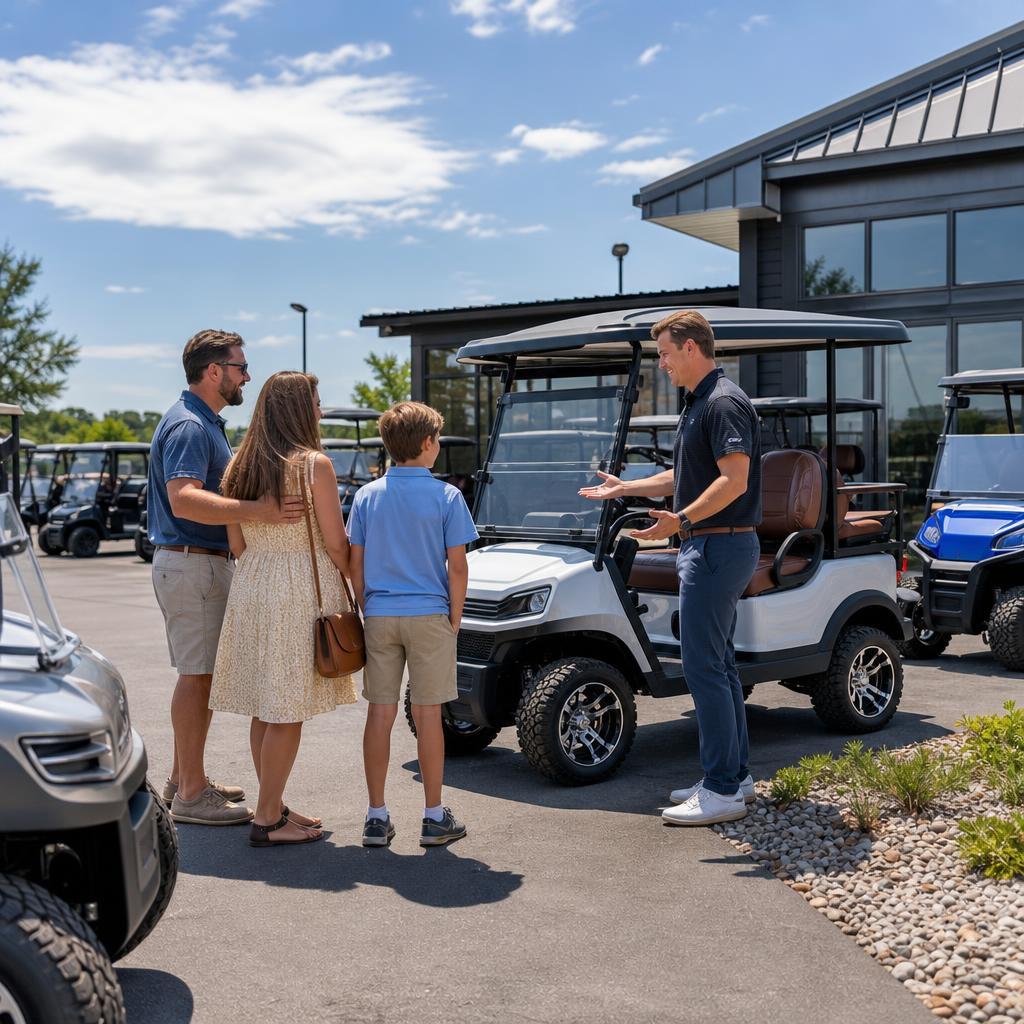
Personal Transportation Vehicles Near Me: How to Find a Trusted Dealer
The closest PTV seller is not always the best partner. Look for clear vehicle documentation, realistic route advice, transparent pricing, qualified service, parts access, and a willingness to let you test the actual configuration and load.
Ask the first questions by phone
Describe your route, passenger count, cargo, charging location, weather, and whether public roads are involved. Ask which exact models fit, what class they are, what documents are provided, who services them, and what is included in the quote. Be cautious of a seller who offers a legal conclusion based only on the word PTV or golf cart.
Inspect sales and service together
- View the VIN, certification information, specifications, battery, charger, and warranty.
- Test steering, braking, visibility, controls, entry, storage, and charging access.
- Ask who diagnoses electrical, battery, brake, tire, and accessory issues.
- Check parts lead times, mobile service, warranty process, and transport options.
- Request references or clear records for used vehicles and prior modifications.
Demand an itemized quote
The quote should identify vehicle, battery, charger, delivery, setup, taxes, registration, required equipment, accessories, financing, and service plans. Ask what is optional and what is needed for your route. Get delivery timing and promised modifications in writing.
Verify road information independently
A responsible dealer can point you to the vehicle documents but cannot replace current state or local authorities. Confirm route rules, registration, licensing, insurance, equipment, and community requirements yourself. Ask your insurer what coverage applies to the exact use.
Choose ongoing support
The best local dealer is one you can still reach after delivery. Compare service capacity, battery and charger knowledge, training, records, warranty communication, and parts access. A nearby specialist may be more useful than a distant seller with a larger catalog.