Published ; updated
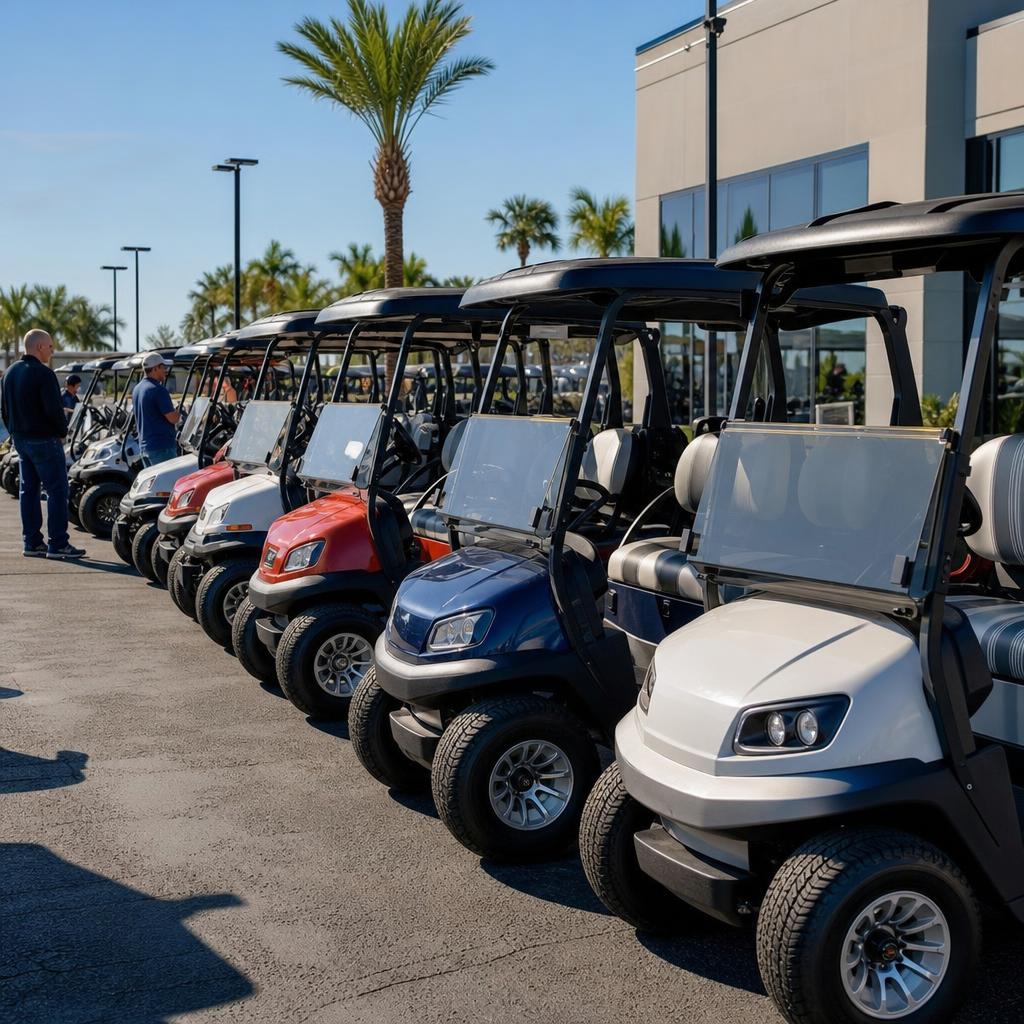
Personal Transportation Vehicles for Sale: What Buyers Should Know
Shopping for a PTV is easier when you separate the sales promise from the vehicle specification. Before comparing monthly payments or paint, identify the intended route, passenger load, charging location, and service expectations. Then ask every seller the same questions.
Request the complete vehicle identity
Record make, model, model year, VIN, rated speed, battery type, motor, included equipment, and certification documents. Ask whether the vehicle is intended for private property, a defined low-speed vehicle class, or another use. Marketing labels such as street legal, neighborhood vehicle, and PTV need supporting documentation.
Inspect the vehicle, battery, and charger
- Look for tire wear, cracks, corrosion, fluid or battery leakage, loose wiring, and damaged glazing.
- Operate steering, accelerator, service brake, parking brake, direction selector, lights, horn, mirrors, and belts.
- Check battery age, maintenance records, charge behavior, terminals, enclosure, and warranty status.
- Confirm the charger model, cord condition, plug, input requirements, and charge indicator.
- Test entry, visibility, storage, turning space, ride, and controls with a representative load.
Get an itemized out-the-door price
Separate vehicle price from battery upgrades, charger, freight, setup, delivery, taxes, registration, required equipment, accessories, financing charges, and service plans. Ask which work is complete and which is optional. A low advertised price may omit the equipment or site work your route needs.
Evaluate dealer support
Ask where warranty repairs occur, who stocks common parts, how diagnostics are handled, what service intervals apply, and whether mobile or transport support exists. Read exclusions for battery capacity, modifications, commercial use, weather exposure, and neglected maintenance. Get promised delivery dates and accessories on the signed paperwork.
Buy for the route, not the photo
A polished golf cart may be perfect for private property and unsuitable for a public-road route. Confirm state and local rules, insurance, terrain, weather, payload, and charging before committing. The best sale is one that still makes sense after the first year of ownership.