Published ; updated
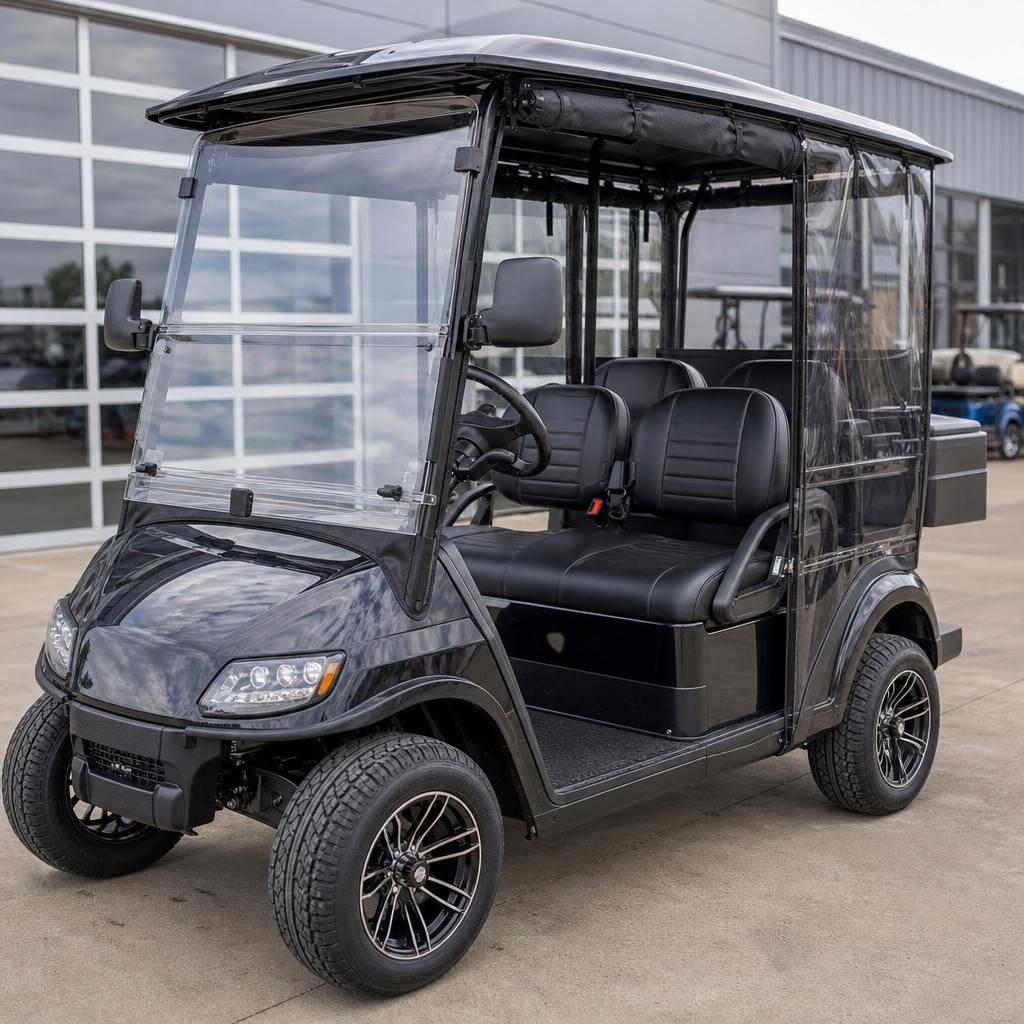
Essential Features to Look for in Personal Transportation Vehicles
Feature lists are useful only when they connect to a route, passenger, or ownership need. A larger screen or lift kit cannot compensate for an unsuitable class, weak service support, poor visibility, or insufficient capacity. Prioritize the fundamentals first.
Road and control fundamentals
For any public-road plan, verify the vehicle’s exact classification, certification, rated speed, equipment, and current route requirements. Inspect brakes, parking brake, steering, mirrors, lights, warning devices, belts, glazing, tires, and controls. State and local rules—not a PTV or golf cart label—determine where it may operate.
Capacity and comfort
- Seat count, belt positions, legroom, entry height, handholds, and total payload.
- Cargo bed, enclosed storage, restraints, towing rating, and access to the load.
- Roof, windshield, enclosure, ventilation, wipers, and defogging for the route’s weather.
- Tires, suspension, ground clearance, turning circle, and steering effort for the surface.
- Controls and displays that every regular driver can see and use.
Battery, charger, and range information
Compare usable capacity, battery chemistry, charge time, outlet requirements, temperature limits, warranty, and replacement support. Ask how accessories affect range. Range depends on speed, terrain, load, tires, temperature, and battery age, so request test conditions rather than accepting a universal claim.
Features that may add complexity
Lifts, larger tires, additional seats, heaters, winches, audio, lighting, and enclosures can be valuable for a defined purpose. They can also add weight, cost, electrical demand, maintenance, and handling changes. Have the seller explain effects on payload, range, warranty, and compliance in writing.
The feature many buyers overlook
Local support is a feature. Confirm technicians, parts, diagnostic equipment, warranty handling, battery sources, charger service, and transport options. A plain configuration with reliable service can outperform a highly equipped vehicle that cannot be repaired promptly.