Published ; updated
Electric Personal Transportation Vehicles: Benefits, Costs, and Features
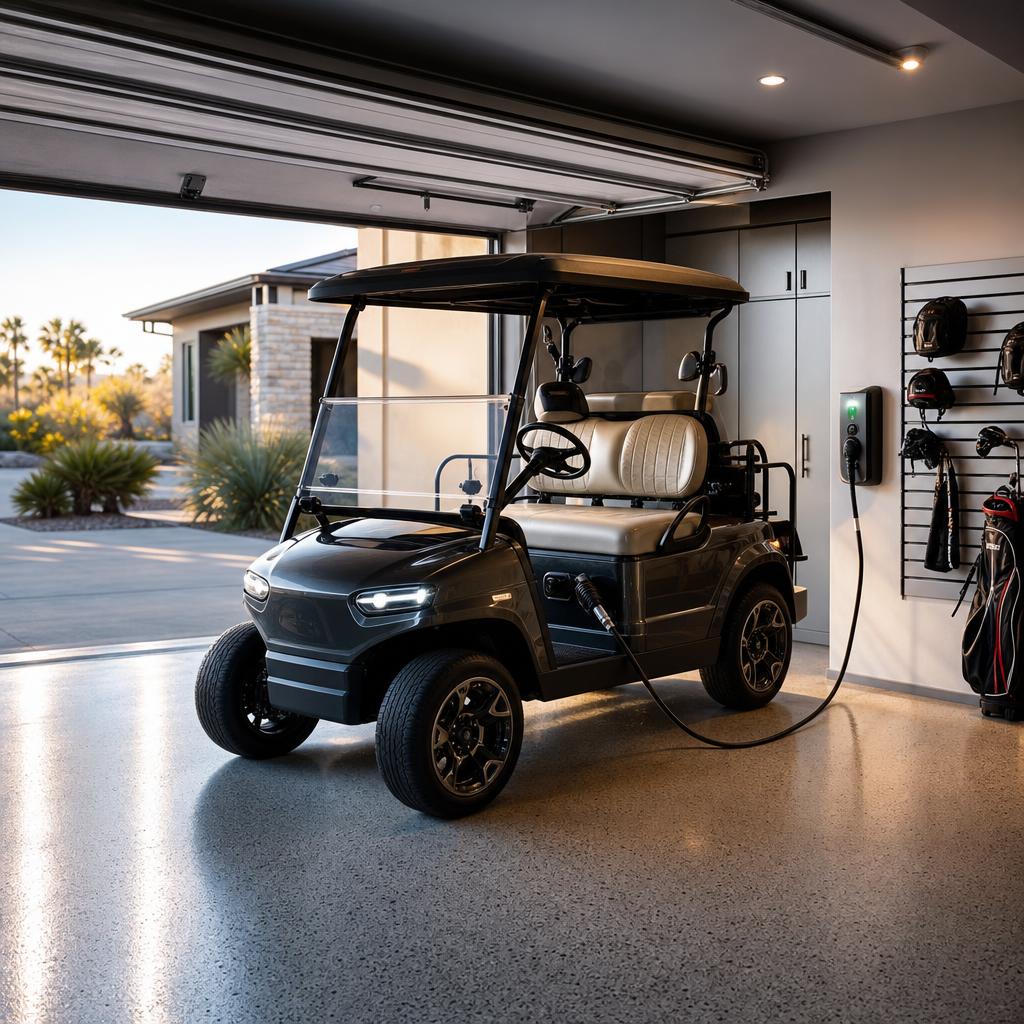
Electric PTVs are well suited to repeatable short routes because they can charge while parked and have relatively simple drivetrains. The right fit still depends on electricity access, battery care, weather, load, route rules, and local support. “Electric” is a starting point, not a complete ownership calculation.
What electric power can offer
An electric motor provides quiet, controllable low-speed operation and avoids routine fuel handling. Charging is convenient when a suitable circuit is available at the vehicle’s normal parking place. Operating experience depends on the motor, controller, gearing, tires, terrain, and driver—not just the battery label.
Battery chemistry and care
Lead-acid and lithium-ion systems have different weight, charging, maintenance, temperature, warranty, and replacement characteristics. Flooded lead-acid batteries may require water checks and ventilation; lithium systems may reduce routine care but vary in pack design and serviceability. Follow the manufacturer’s charging, storage, temperature, and inspection instructions.
Understand the full cost
Request a written total including vehicle, battery, charger, delivery, taxes, registration, equipment, financing, and any site electrical work. Add electricity, insurance, storage, tires, brakes, inspections, maintenance, and eventual battery replacement. Electricity cost depends on local rates and consumption; it cannot be responsibly promised as a fixed saving.
Features worth comparing
- Usable battery capacity and the conditions behind the range estimate.
- Charger voltage, current, cable reach, charge time, and circuit requirements.
- Payload, passenger restraints, weather protection, mirrors, lights, and visibility.
- Battery and vehicle warranty terms, diagnostics, parts availability, and local technicians.
- The effect of accessories such as enclosures, heaters, lifts, larger tires, and audio equipment.
Check the route before the purchase
PTV is marketing language, while an LSV is a defined federal category. State and local authorities determine registration and permitted roads, and an insurer can explain coverage for the intended use. Confirm all three before assuming an electric golf cart or PTV can leave private property.